
Palestinians: The Difference between Us and Them

palestinos

I cannot count the number of times that I heard from Israeli Jews the phrases «I’m ashamed» and «I’m sorry» in response to the horrific crime that claimed the life of Palestinian toddler Ali Dawabsha in the West Bank village of Duma last week.

The strong response of the Israeli public and leaders to the arson attack is, truthfully, somewhat comforting. The wall-to-wall Israeli condemnation of this crime has left me and other Palestinians not only ashamed, but also embarrassed — because this is not how we Palestinians have been reacting to terror attacks against Jews — even the despicable murder of Jewish children.

Our response has, in fact, brought feelings of disgrace and dishonor. While the Israeli prime minister, president and other officials were quick strongly to condemn the murder of Dawabsha, our leaders rarely denounce terror attacks against Jews. And when a Palestinian leader such as Mahmoud Abbas does issue a condemnation, it is often vague and equivocal.

Take, for example, what happened after last year’s kidnapping and murder of three Israeli teenagers by Palestinians in the West Bank. It not only took President Abbas four days to issue a statement condemning the terror attack, but even then, the condemnation was at best a tentative: «The Palestinian presidency… condemns the series of events that happened last week, beginning with the kidnapping of three Israeli youths.» Abbas then went on to denounce Israel for arresting dozens of Hamas members after the abduction and murder of the three youths.

Later in 2014, when Abbas did condemn a Palestinian terror attack that killed five Israelis in a Jerusalem synagogue, Fatah official Najat Abu Baker, a few days later, explained that Abbas’s condemnation was made «within a diplomatic context… [he] is forced to speak this way to the world.»

Abbas’s condemnation of the attack at the synagogue in Jerusalem’s Har Nof neighborhood apparently came only under pressure from U.S. Secretary of State John Kerry, who telephoned the Palestinian leader twice to demand that he speak out against the killings. Abbas’s statement said that the Palestinian leadership condemns the «killing of worshippers in a synagogue and all acts of violence, regardless of their source.» His statement then also called for an end to «incursions and provocations by settlers against the Aqsa Mosque.»

Abbas’s ambiguous, half-hearted condemnations of attacks by Palestinians against Israelis are only intended for public consumption and are primarily aimed at appeasing Western donors, so that they will continue channeling funds to the Palestinian Authority (PA). In addition, his condemnations almost always seek to blame Israel for the Palestinian terror attacks — presumably an attempt to justify the killing of Jews at the hands of Palestinian terrorists.

In contrast, Israeli leaders who condemned the murder of the Palestinian toddler sound firm and unambiguous. Here is what Prime Minister Netanyahu said after visiting the murdered baby’s parents and brother, who were wounded in the arson attack and are receiving medical treatment in Israeli hospitals: «When you stand next to the bed of this small child, and his infant brother has been so brutally murdered, we are shocked, we are outraged. We condemn this. There is zero tolerance for terrorism wherever it comes from, whatever side of the fence it comes from.»

Netanyahu’s strong and clear condemnation left me and other Palestinians wondering when was the last time we heard similar statements from our leaders. I cannot remember ever hearing Abbas or any other Palestinian leader express shock and outrage over the killing of a Jew in a Palestinian terror attack. Nor can I remember the last time we heard of a Palestinian official visiting the Israeli victims of a Palestinian terror attack.

The Israeli leaders’ condemnation of the baby’s murder is a sincere voice that reflects the views of the overwhelming majority of the Israeli public. In contrast, the Palestinian leaders’ denunciations of terror attacks do not reflect the general feeling on the Palestinian street. Each time Abbas reluctantly condemns a Palestinian terror attack, he faces a wave of criticism from many Palestinians.

Unlike the Israeli public, many Palestinians often rush to justify, and even welcome, terror attacks against Jews. This was the situation just a few weeks ago, when an Israeli man was shot dead near Ramallah. Several Palestinian factions and military groups applauded the murder,calling it a «natural response to Israeli crimes.»

This is the huge difference between the way Israelis and Palestinians react to terrorism. The murder of Dawabsha saw thousands of Israelis hold anti-violence rallies to condemn the horrible crime. But has anyone ever heard of a similar rally on the Palestinian side whenever terrorists kill innocent Jewish civilians? Is there one top Palestinian official or prominent figure who dares to speak out in public against the murder of Jews, at a rally in the center of Ramallah or Gaza City? Has there ever been a Palestinian activist who dared to hold a rally in a Palestinian city to condemn suicide bombings or the murder of an entire Jewish family?

While Israelis have been holding rallies to condemn terror attacks against our people, we have been celebrating the killing of Jews. How many times have we taken to the streets to hand out sweets and candies in jubilation over the killing of Jews? Such sickening scenes of men and women celebrating terror attacks against Jews on the streets of the West Bank and Gaza Strip have never been condemned by our leaders. These scenes have become commonplace each time Palestinian terrorists carry out an attack against Jews.

These scenes stand in sharp contrast to the public statements and rallies in Israel in response to terror attacks against Palestinians. Our leaders need to learn from Israel’s President, Reuven Rivlin, who said he was «ashamed» and «in pain» for the murder of the Palestinian toddler. When was the last time a Palestinian leader used such rhetoric to condemn the murder of Jews? The laconic statements issued by Abbas’s office in response to anti-Jewish terror attacks never talked about shame or pain.

Israeli President Reuven Rivlin visits 4-year-old Ahmed Dawabsha in hospital on July 31. Dawabsha was badly burned in an arson attack on his house in the village of Duma, which killed his baby brother and also injured his parents. (Image source: Mark Neyman/Israel Government Press Office)

We have failed to educate our people on the principles of tolerance and peace. Instead, we continue to condone and applaud terrorism, especially when it is directed against Jews. We want the whole world to condemn terrorism only when it claims the lives of Palestinians. We have reached a point where many of us are either afraid to speak out against terrorism or simply accept it when it claims the lives of Jews.

The Israeli president has good reason to be ashamed for the murder of the baby. But when will we Palestinians ever have a sense of shame over the way we are reacting to the murder of Jews? When will we stop glorifying terrorists, and naming streets and public squares after them, instead of strongly denouncing them and expelling them from our society? We still have a lot to learn from Israeli leaders and the Israeli public.


By Bassam Tawil, www.gatestoneinstitute.orgView Original

Bassam Tawil is based in the Middle East.
Cannabis Heals Fractures : Health News of Israel

Cannabis, or marijuana, was used as a go-to medical remedy by societies around the world for centuries. But the therapeutic use of marijuana was banned in most countries in the 1930s and ’40s due to a growing awareness of the dangers of addiction. The significant medical benefits of marijuana in alleviating symptoms of such diseases as Parkinson’s, cancer, and multiple sclerosis have only recently been reinvestigated.

A new study by Tel Aviv and Hebrew University researchers explores another promising new medical application for marijuana. According to the research, the administration of the non-psychotropic component cannabinoid cannabidiol (CBD) significantly helps heal bone fractures, possibly even preventing them in the future.

The study, conducted on rats with mid-femoral fractures, a serious fracture in the thigh bone, found that CBD — even when isolated from tetrahydrocannabinol (THC), the major psychoactive component of cannabis — markedly enhanced the healing process of the bone fractures after just eight weeks.

Undeniable clinical potential

In earlier research, the same research team discovered that cannabinoid receptors within our bodies stimulated bone formation and inhibited bone loss. This paves the way for the future use of cannabinoid drugs to combat osteoporosis and other bone-related diseases.

“The clinical potential of cannabinoid-related compounds is simply undeniable at this point,” said Dr. Yankel Gabet of TAU’s Bone Research Laboratory. “While there is still a lot of work to be done to develop appropriate therapies, it is clear that it is possible to detach a clinical therapy objective from the psychoactivity of cannabis. CBD, the principal agent in our study, is primarily anti-inflammatory and has no psychoactivity,” meaning they do not results in alterations in perception, mood, or consciousness.

SEE ALSO: How Israel Became A Medical Marijuana Powerhouse

According to Dr. Gabet, our bodies are equipped with a cannabinoid system, which regulates both vital and non-vital systems. “We only respond to cannabis because we are built with intrinsic compounds and receptors that can also be activated by compounds in the cannabis plant,” he said. The researchers found that the skeleton itself is regulated by cannabinoids. Even the addition of a non-psychogenic compound acting outside of the brain can affect the skeleton.

Separating the components out

“We found that CBD alone makes bones stronger during healing, enhancing the maturation of the collagenous matrix, which provides the basis for new mineralization of bone tissue,” said Dr. Gabet. “After being treated with CBD, the healed bone will be harder to break in the future.”

The researchers injected one group of rats with CBD alone and another with a combination of CBD and THC. After evaluating the administration of THC and CBD together in the rats, they found CBD alone provided the necessary therapeutic stimulus.

“We found CBD alone to be sufficiently effective in enhancing fracture healing,” said Dr. Gabet. “Other studies have also shown CBD to be a safe agent, which leads us to believe we should continue this line of study in clinical trials to assess its usefulness in improving human fracture healing.”

By Nocamels Team, nocamels.com  View Original

The research, published in the “Journal of Bone and Mineral Research,” was led jointly by Dr. Yankel Gabet of the Bone Research Laboratory at the Department of Anatomy and Anthropology at TAU’s Sackler Faculty of Medicine and the late Prof. Itai Bab of Hebrew University’s Bone Laboratory.

Photos: Tiina Allik

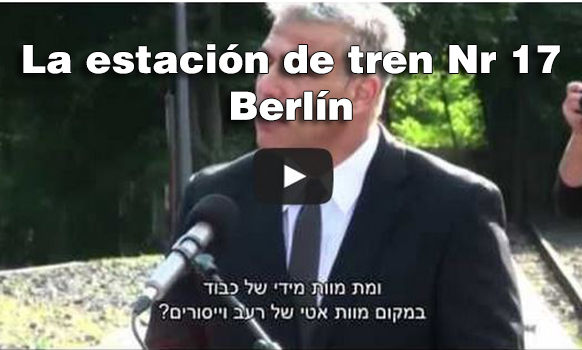
Yair Lapid en la estación de tren 17 de Berlín – יאיר לפיד בטקס ברציף 17 בגרמניה

Yair Lapid (en hebreo יאיר לפיד) (Tel Aviv, Israel, 5 de noviembre de 1963) es un político israelí, actor, escritor, periodista, conductor de televisión y presentador de noticias. Fundó el partido político Yesh Atid en el 2012. En las elecciones de enero del 2013 su partido se convirtió en el segundo más grande de la Knessset luego del Likud, con el cual formó coalición de gobierno. En marzo del mismo año asumió como Ministro de Economía.

Hijo del político Yosef Tommy Lapid y la escritora Shulamit Lapid, está casado con la periodista Lihi Lapid, con quien tiene tres hijos, y viven en Ramat Aviv.

Lapid comenzó su carrera periodística como corresponsal militar para el ejército israelí en la revista semanal, Ba-Mahane («En el Campamento»). También escribió para el periódico Maariv de corriente mainstream. En 1988 fue nombrado director de la edición de Tel Aviv publicada por el periódico del grupo Yedioth Ahronoth. En 1991 comenzó a escribir una columna semanal en el suplemento del fin de semana en un diario de circulación nacional, al principio en Maariv y más tarde con su competidor, Yedioth Ahronoth. Su columna, llamada «¿Dónde está el dinero?» se convirtió en su lema en la búsqueda de un cargo político.

En 1994 comenzó a conducir los viernes por la noche el principal programa de entrevistas del Canal 1, y ese mismo año tuvo un papel como actor en la película israelí, «El canto de la sirena». Presentó un talk show en el canal 3 de televisión, y desde 1999 fue anfitrión de otro programa de esas características en el Canal 2. Publicó siete libros y escribió una serie dramática llamada «War Room», que salió al aire en el Canal 2 en 2004.

En 2005 Lapid fue votado como el 36º israelí más importante de todos los tiempos, en una encuesta realizada por el sitio web de noticias israelí Ynet.

En enero de 2008 Lapid fue el anfitrión de «Ulpan Shishi», los viernes por la noche, en el Canal 2. Ese año, su primera obra, «La edad adecuada para el amor», fue interpretada en el Teatro Cámeri.


Reporte semanal de Antisemitismo 22.07.2015

Reporte semanal de Antisemitismo

 Itongadol/AJN.- Se registraron grafitis antisemitas en Londres y Madrid. Se denunciaron ataques a personas y bienes judíos en París, Nueva York, Moscú y Johannesburgo. Además, hubo profanaciones en Gleidingen, Alemania y Srinagar, Cachemira.

Grafitis antisemitas
Londres, Gran Bretaña. Escribieron las palabras «Zydzew Zdychaj» junto a un Maguen David en el sur de Tottenham; estas palabras en idioma polaco son una aparente referencia al club de futbol RTS Widzew Łódź SA. Zydzew» y es una combinación del nombre del club con la palabra polaca para «judío» y «Zdychaj», que significa «muere».
Madrid, España. Pegaron volantes con las figuras de un Maguen David igualado a una cruz esvástica frente a una sinagoga de la ciudad.Ataques a personas y bienes judíos
París, Francia. Un adolescente de 14 años que llevaba un solideo en su cabeza fue atacado por un grupo de personas mientras iba caminando a su casa, causándole heridas por las que debió ser internado.
Williamsburg, Brooklyn, Nueva York, Estados Unidos. Un judío ortodoxo, de 65 años, fue atacado y golpeado en la cabeza por una pareja.
Johannesburgo, Sudáfrica. Un hombre judío estaba conduciendo por una ruta pública en Boksburg cuando dos hombres comenzaron a conducir agresivamente detrás de él hasta alcanzarlo. En ese momento le gritaron «qué mierda Judío» y le tiraron dentro del vehículo un paquete de cigarrillos.
Moscú, Rusia. Una persona no identificada le disparó un tiro e hirió de gravedad a Sergei Ustinov, un escritor y hombre de negocios que es un destacado miembro de la comunidad judía moscovita, y se desempeña como director y fundador de un museo judío de Moscú.
Le Blanc-Mesnil, Francia. La casa de una familia judía fue asaltada por tres hombres enmascarados y armados, que golpearon a los tres integrantes de la familia, el matrimonio y su hija, por lo que debieron ser hospitalizados.
Menton, Francia. El rabino de la ciudad fue insultado y golpeado en la espalda y por un hombre que hablaba italiano.
Lloyd, Nueva York, Estados Unidos. Tres jóvenes de 18 años fueron detenidos por la policía de la ciudad, luego de lanzar botellas y monedas a miembros del campamenteo Karlin Stolin, en Chodikee Lake Road.Profanaciones
Gleidingen, Alemania. En varias tumbas del cementerio fueron pintadas cruces esvásticas, descubiertas por personas que fueron al lugar e hicieron la correspondiente denuncia.
Srinagar, Cachemira. Banderas israelíes fueron quemadas durante masivas protestas antiisraelíes, mientras coreaban consignas pro-palestinas para mostrar solidaridad con el pueblo palestino y su causa, así como repudiar la “ocupación del régimen sionista”.Injurias antisemitas

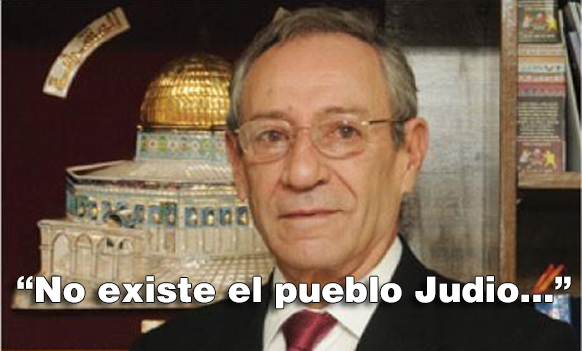
Santiago de Chile. Imad Nabil Jada’a, embajador de la OLP en el país trasandino, hizo declaraciones ofensivas en la Conferencia por la Paz en Palestina e Israel al afirmar en su discurso que «No hay pueblo judío». Además, afirmó que los sionistas tienen «planes de dominar la vida en todo el planeta».

Australia. «Jesús quería ayudar a la gente, pero terminó asesinado por su propio pueblo», así escribió Jarryd Hayne en Twitter, jugador estrella del rugby australiano. «Los judíos fueron quienes lo tomaron a Jesús y se lo entregaron a los romanos, a quienes les dieron la orden de matarlo ya que no podían», agregó. Debido a la negativa reacción que tuvieron sus twits, los eliminó.
Middletown, Nueva York, Estados Unidos. The Times Herald Record publicó en su página web una carta de lectores titulada “El crecimiento de la comunidad jasídica es perjudicial”, en la que su autora, Kate Payne de White Lake, escribió que el aumento de miembros jasídicos que se produce en Kiryas Joel también se producirá en otros condados.

Traducción defectuosa o intencional
En un documental difundido por la BBC de Londres, en el que se entrevistó a niños en la Franja de Gaza, cuando estos mencionan la palabra «yahud del”, cuya traducción correcta del árabe al inglés es judío, la tradujeron como “israelíes”. Por ejemplo, cuando un niño de Gaza dijo que la «yahud del» está masacrando a los palestinos, el subtítulo dice «Israel nos está masacrando». Lyse Doucet, la directora lo justifica afirmando: «Hablamos con la gente en Gaza, hablamos con traductores y ellos sostienen que cuando [los niños] dicen ‘Judíos’, se están refiriendo a los israelíes”.

El nuevo antisemitismo
La Agencia palestina Shihab publicó hoy un vídeo anti-israelí con motivos antisemitas. El vídeo comienza con una chica joven que se sienta como una mendiga en la calle, en el Paseo de la Fama de Hollywood, y lleva un vestido con la bandera de la OLP y un letrero que describe su situación: «Yo soy una palestina, por favor ayúdame a reconstruir mi casa en Gaza» pretendiendo que la miren los transeúntes. Algunos la pasan por alto y otros le dan unos pocos dólares, quienes reciben su gratitud. De pronto, llega un hombre que tiene una gran nariz «judía» y una kipá, que grita «Esta mujer es una terrorista”, y la escupe, lo que atrae a los transeúntes. El “judío” agarra dos grandes baldes, rodeados de la bandera israelí y dice: «Esto es lo que ocurre con los terroristas, es lo que hacemos con ellos” mientras derrama el contenido de los baldes: el de uno es un líquido rojo como la sangre. el otro balde tenía polvo y ceniza.

Antisemitismo desde la mezquita de Al Aqsa

A mediados de junio de 2015, el clérigo palestino Jeque Khaled Al Maghrabi impartió una lección al interior de la mezquita de Al Aqsa, en Jerusalem, donde explica: “El Corán nos habla de dos maneras. Una de ellas consiste en describir la verdadera naturaleza de las personas. Por ejemplo, cuando nos habla de los israelitas. ¿Qué nos dice? Nos dice que D-s está enojado con ellos y por eso los convirtió en monos y cerdos. Esta es una de las maneras de hablar del Corán para exponer su verdadera naturaleza (de los judíos)”, y continúa diciendo: “Mi tercer consejo para los israelitas es que, si no se convierten al islam y dicen: “No hay otro D-s salvo A-a y Mohamed es su profeta”, les recomiendo que se vayan de la Tierra Santa ocupada, que le dejen esta tierra a su gente. Este es el mandamiento de A-a. (…) Si no lo hacen, habrá destrucción”.
Recientemente, el imán de la mezquita de Al Aqsa en Jerusalem, Raed Al Danna, llamó a su congregación a destruir Israel. Posteriormente, el imán realizó declaraciones similares durante su visita a la ciudad de Milán.
También desde la mezquita de Al Aqsa el jeque Omar Abu Sara llamó a apoyar al Estado Islámico, para atacar a Israel.

El embajador palestino en Chile dijo que “no existe un pueblo judío”

Antisemitismo. El embajador palestino en Chile dijo que “no existe un pueblo judío”

Itongadol/AJN.- Imad Nabil Jada’a, embajador de la Organización para la Liberación Palestina en Santiago de Chile afirmó que “no existe un pueblo judío” en un discurso que pronunció a mediados de mayo pasado, cuyo video recién se conoció hace pocos días.

Para fundamentar esto se basó en la opinión de un controvertido autor israelí, Shlomo Sand, profesor de la Universidad de Tel Aviv, que sostiene que la llamada “nación judía” es una invención ya que una religión no puede ser un pueblo.
Además de esa afirmación, Jada’a sostuvo que los sionistas tienen «planes para dominar la vida en todo el planeta», y lo hizo citando el texto “Los Protocolos de los Sabios de Sión”, al que considero una publicación legítima y precisa; a la vez que sostuvo que la OLP «no reconoce la existencia del pueblo judío».
Estas afirmaciones fueron realizadas en la Conferencia por la Paz en Palestina e Israel, foro que utilizó para promover teorías que hablan de una conspiración judía destinada a dominar el mundo.